

When light hits a textured surface, a wall stops being a boundary: it becomes an experience. For decades, architects and interior designers have chased the timeless allure of stone, seeking to bring the raw, grounding energy of the earth into our living spaces. But as we move deeper into an era defined by material intelligence and environmental consciousness, the way we source and apply these textures is undergoing a radical shift.
The question is no longer just about aesthetics; it is about the dialogue between the built environment and the planet. When planning your next project, you likely find yourself at a crossroads: do you stick with the heavy, traditional stone veneer, or do you embrace the innovative horizon of eco-friendly wall panels?
At ANGKOP CORP, we believe the future of design lies in the harmony of luxury and sustainability. Today, we’re diving deep into the comparison between traditional cladding and the ECO-FLEXI MCM brand of Flexible Natural Stone™ by Angkop Corp, helping you decide which surface articulation is right for your vision.
The Weight of Tradition: Understanding Stone Veneer
Traditional stone veneer has long been the "go-to" for adding organic texture to a home. It falls into two main categories: natural thin stone and manufactured (faux) stone.
Natural stone is undeniably beautiful. It is harvested from the earth, and its durability is measured in centuries. However, its environmental footprint is often heavier than the stone itself. The energy-intensive extraction processes in quarries and the massive carbon cost of transporting heavy, dense material across the globe create a significant ecological debt. Furthermore, installation is a laborious, high-calibre masonry job that requires structural reinforcement and significant time.
On the other hand, traditional manufactured stone veneer: often made from a mix of cement, pigments, and sometimes petroleum-based polyurethanes: was designed as a cheaper, lighter alternative. While it lightens the load, it often sacrifices the visual rhythm and tactile authenticity of the real thing. Over time, exposure to UV rays and rain can lead to fading and a "plastic" patina that betrays its synthetic origins.
Enter the Innovation: ECO-FLEXI MCM Technology
The architectural world is currently witnessing a "Texture Renaissance," and at the heart of it is Modified Clay Material (MCM) technology. This isn't just another building material; it’s a leap in material intelligence.
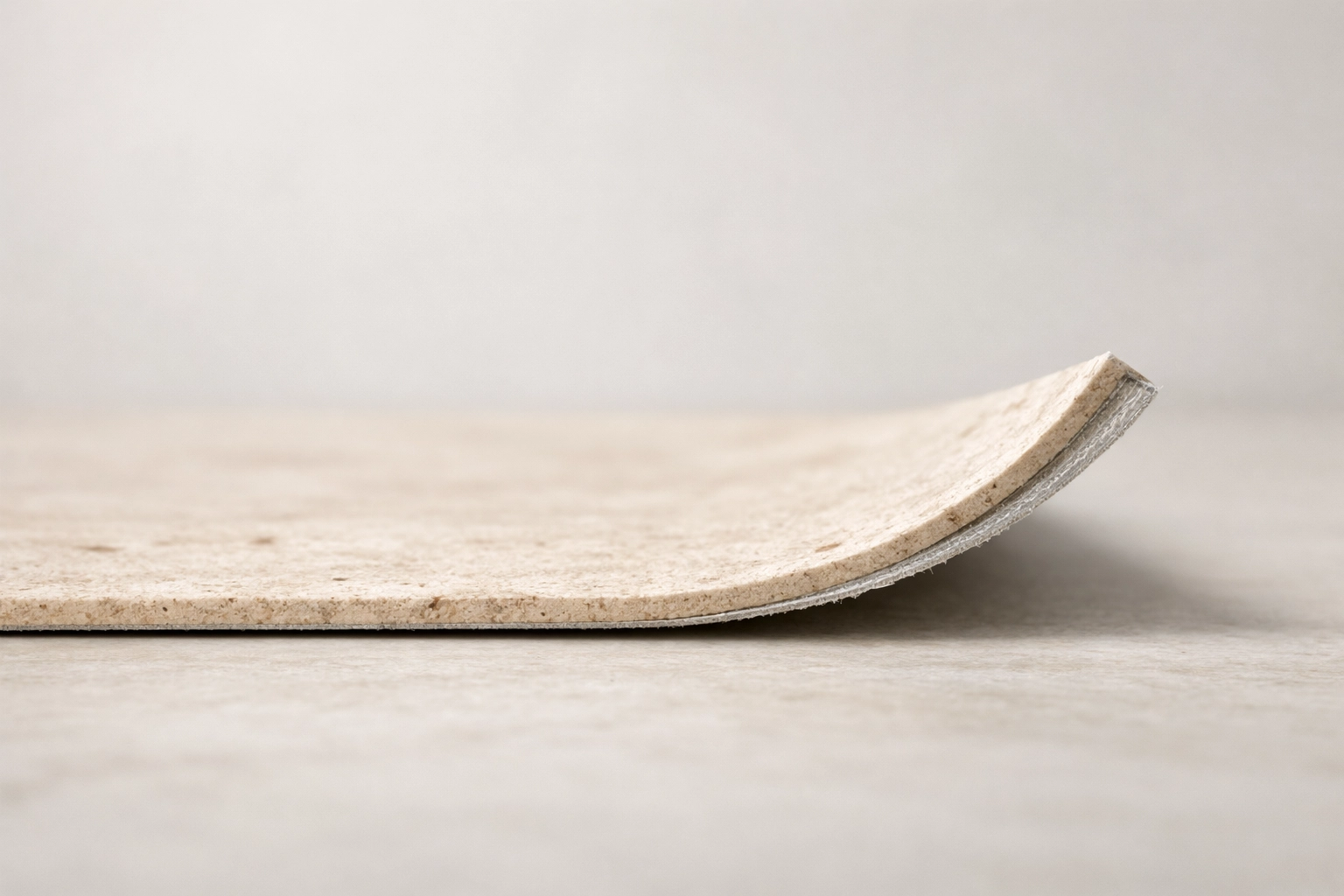
The ECO-FLEXI MCM brand of Flexible Natural Stone™ by Angkop Corp is engineered by fusing unfired clay, stone powder, and organic polymers through a low-heat molecular bonding process. The result? A surface that possesses the authentic soul of natural stone but with a structural lightness that was previously impossible.
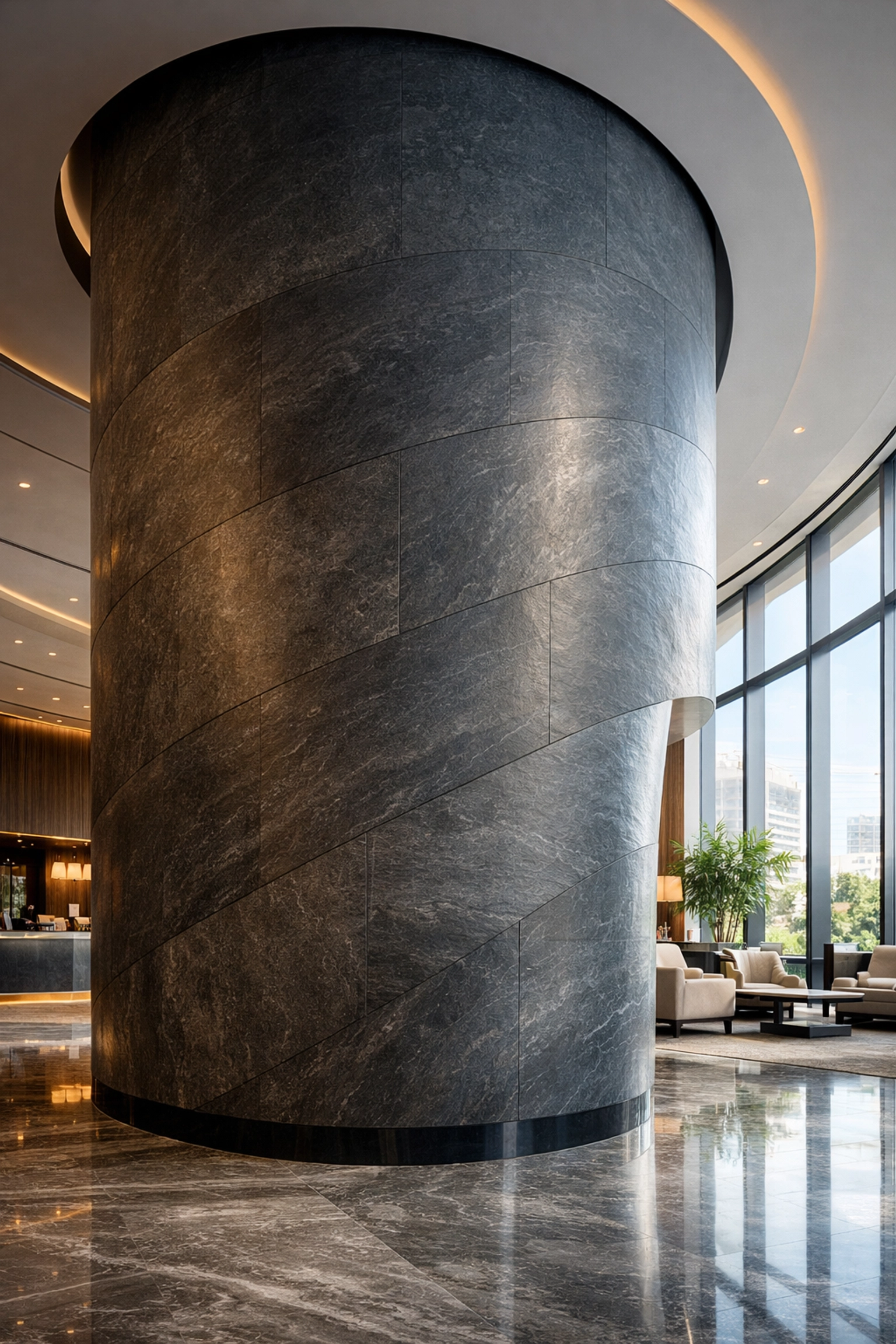
When we talk about "surface articulation," we are talking about the way a material communicates with its surroundings. Because Flexible Natural Stone™ is truly flexible, it can wrap around columns, follow the curve of a vaulted ceiling, or flow seamlessly around sharp corners. It moves with the building, rather than resisting it.
Sustainability: A New Standard for Eco-Friendly Wall Panels
In the modern design landscape, sustainability is the ultimate luxury. When we compare the lifecycle of traditional stone to eco-friendly wall panels, the numbers tell a compelling story.
- Carbon Footprint: Traditional stone requires massive energy for cutting and shipping. In contrast, the manufacturing process for MCM technology is a low-carbon, unfired process. Because it is incredibly thin and lightweight, the transportation emissions are reduced by up to 80% compared to traditional stone.
- Resource Efficiency: By using stone powder and recycled minerals, we aren't depleting primary quarries at the same rate as traditional blocks.
- Longevity and Recyclability: Unlike faux panels that may end up in a landfill once they lose their colour, Flexible Natural Stone™ is designed for decades of performance. It is fire-rated, breathable, and impact-resistant, ensuring your project remains as breathtaking in twenty years as it is on opening day.
Explore our commitment to sustainable wall panels to see how we’re redefining the industry.
Texture Interplay: MS Line, Muretto, and Oasis Stone
Design is an emotional journey, and the materials we choose are the milestones. To choose the right surface, you have to consider the "visual rhythm" of the space.
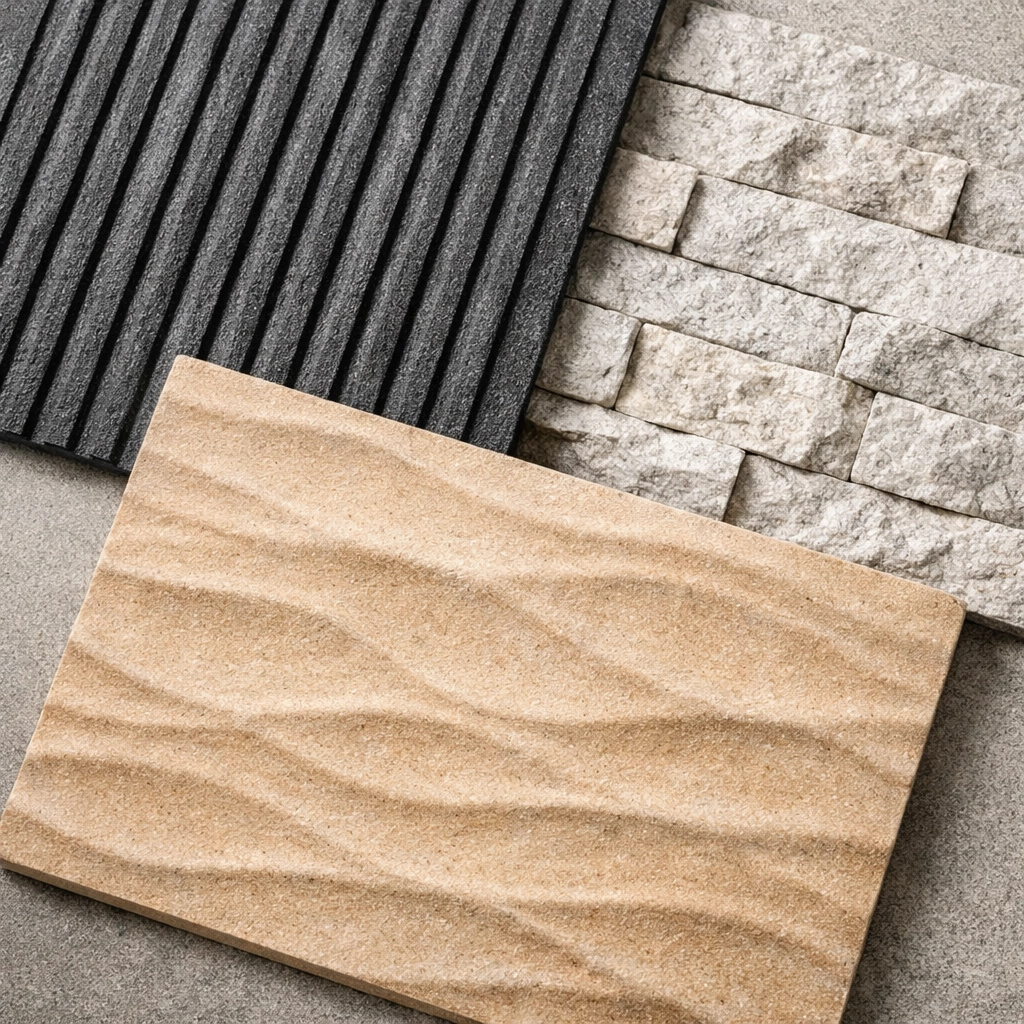
For those seeking a contemporary, linear aesthetic, the MS Line Stone Board offers a sophisticated, ridged texture that catches the light in a rhythmic, architectural way. It’s perfect for creating height in a grand foyer or adding a sense of movement to an exterior facade.
If your project leans toward a more rugged, organic feel, the Muretto Stone provides the classic "stacked stone" look without the weight of a thousand pounds of rock. It’s an ideal choice for a feature wall that needs to feel grounded and permanent.
Then there is the Oasis Stone. It brings a soft, ethereal quality to a space, reminiscent of wind-swept desert sands or ancient riverbeds. It’s the kind of material that invites touch: a hallmark of biophilic design that connects us back to nature.
You can find these specific textures in our full products collection.
Installation: The Beauty of Structural Lightness
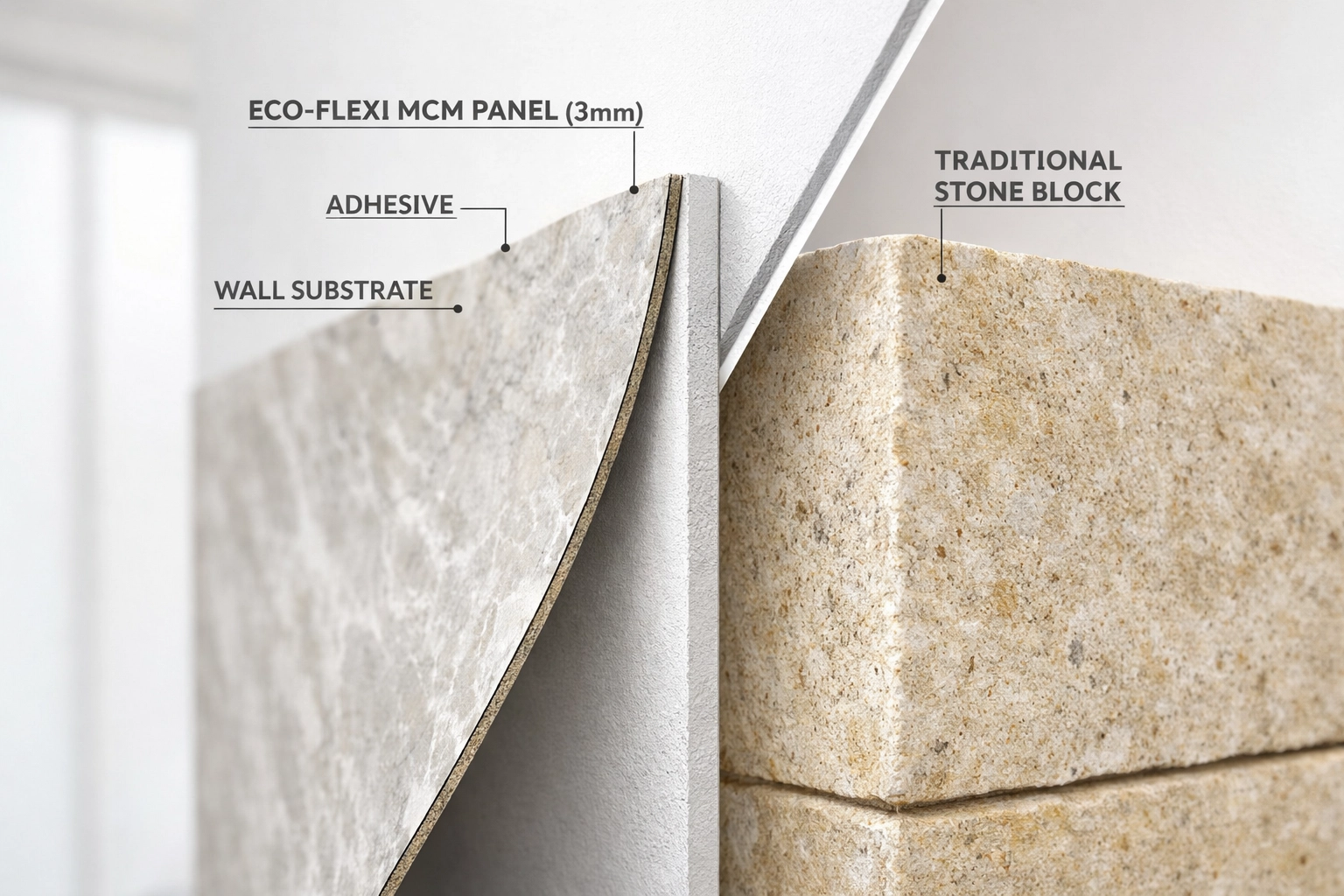
One of the most casual: yet revolutionary: benefits of Flexible Natural Stone™ is the ease of installation. Traditional stone veneer requires masons, heavy-duty mortars, and often, additional structural supports or "ledger" systems to prevent the wall from bowing under the weight.
With the ECO-FLEXI MCM brand, you are working with a material that is only a few millimetres thick. It can be applied directly over existing substrates, including drywall, concrete, or even existing tile, using specialized adhesives. This makes it an incredible tool for adaptive reuse projects where you want to transform a space without the mess and structural headache of a total demolition.
Imagine cladding an entire exterior with the look of heavy Milan Travertine but without the need for a crane. That is the power of structural lightness.
Comparing the Experience: Which Is Better?
The "better" choice depends on your project’s soul.
Choose Traditional Natural Stone if:
- You are working on a historical restoration where only original quarry stone is permitted.
- Budget, weight, and carbon footprint are not primary constraints.
Choose ECO-FLEXI MCM Flexible Natural Stone™ if:
- Sustainability is a priority: You want a low-carbon, eco-friendly wall panel.
- Design Freedom is essential: You have curved surfaces, high ceilings, or weight-sensitive structures.
- Aesthetic Authenticity matters: You want the look and feel of real stone (like Golden Sunset) without the drawbacks of "faux" plastic products.
- Efficiency is key: You need a faster, cleaner installation process that still delivers a high-end, realistic visual.
A Vision for the Future of Surfaces
Architecture is shifting. We are moving away from the "heavy and static" toward the "light and adaptive." Flexible Natural Stone™ is not just a substitute for stone; it is an evolution of it. It allows us to dream bigger, build faster, and live more sustainably.
Whether you are a developer looking to add value to a multi-residential project or an architect designing a bespoke luxury villa, the choice of material dictates the human experience of that space. By choosing eco-friendly wall panels, you are choosing a future where beauty doesn't come at the cost of the planet.
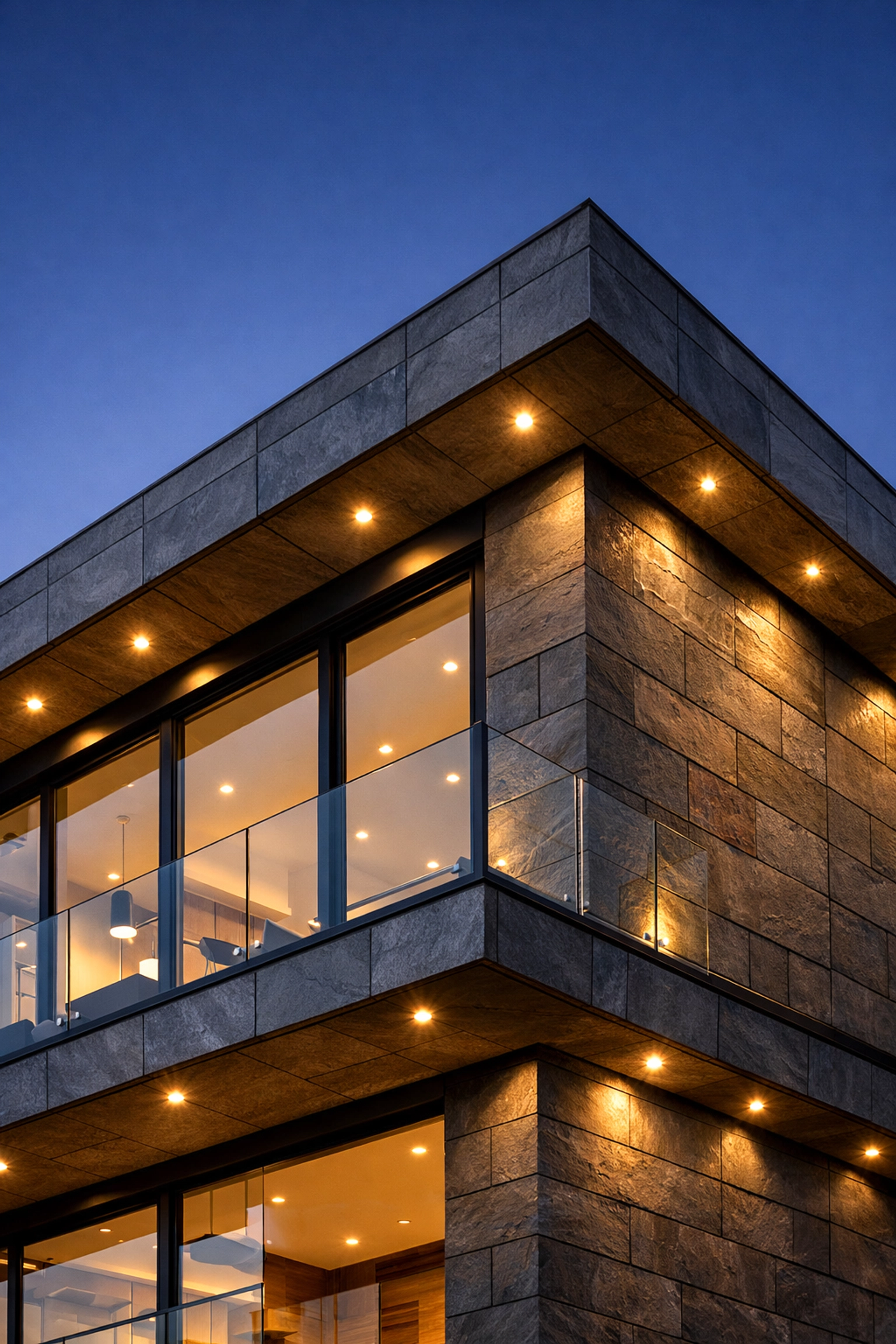
Redefine Your Next Project
The boundaries of what is possible with stone have been rewritten. We invite you to touch the textures and see the visual rhythm of our collections for yourself.
Start your journey by ordering a sample pack or dive into our exterior cladding options to see how Flexible Natural Stone™ can elevate your next build.
Explore the full collection at angkop.ca and let’s create something visionary together.
Surface design is no longer a choice between "natural" and "practical." With ANGKOP CORP, you get both.

0 comments