

When light cascades across a textured surface, a wall transforms from mere boundary to architectural poetry. This is the quiet revolution happening in design studios worldwide, where architects are discovering that ECO-FLEXI MCM brand of Flexible Natural Stone by Angkop Corp offers far more than the ability to bend around curves: it's redefining what's possible in spatial storytelling.
The obsession isn't about novelty. It's about liberation from constraints that have limited architectural vision for generations.
Material Intelligence Meets Design Freedom
Traditional stone veneer panels demand compromise. Heavy, rigid, and unforgiving, they've confined architects to straight lines and predictable applications. But flexible natural stone breaks these boundaries, offering material intelligence that responds to creative vision rather than restricting it.
[IMAGE_TAKING]
The transformation begins with understanding that flexibility enables more than curved surfaces. ECO-FLEXI MCM panels can wrap seamlessly around columns, flow across irregular geometries, and create continuous surfaces that would require complex cutting and extensive labor with conventional materials. This isn't just technical advancement: it's creative empowerment.
Consider the reception desk that flows like liquid stone, or the fireplace surround that curves organically into the ceiling. These aren't compromises born from limitation; they're expressions of pure design intent, possible because the material bends to the architect's vision rather than forcing the design around material constraints.
The Lightness Revolution
Structural lightness represents perhaps the most transformative aspect of flexible stone panels. Where traditional stone veneer can weigh up to 15 pounds per square foot, ECO-FLEXI MCM panels typically weigh less than 2 pounds per square foot. This dramatic reduction cascades through every aspect of a project.
Structural loads diminish, foundation requirements simplify, and installation becomes dramatically more efficient. But the real revolution happens in design possibility. Suddenly, stone applications are viable on upper floors without reinforcement, on existing structures without concern for load capacity, and in retrofit projects where weight limitations previously made stone impossible.
This lightweight nature also transforms the installation experience. Where traditional stone requires specialized equipment, heavy lifting, and multiple workers, flexible natural stone can often be installed by a single craftsperson using basic tools. The ergonomic advantages reduce installer fatigue and injury risk while accelerating project timelines.
Fire Safety Without Aesthetic Compromise
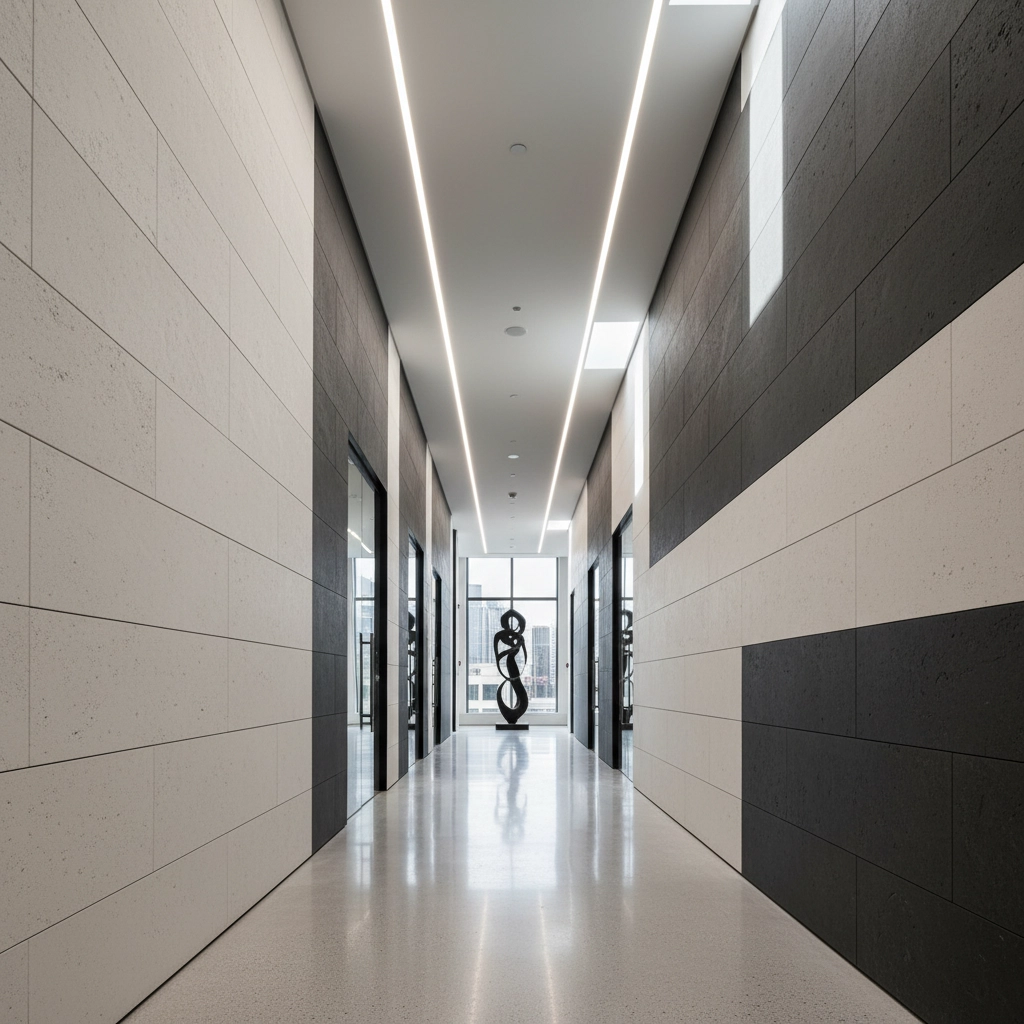
Modern building codes demand increasingly sophisticated fire safety measures, and fire rated wall panels have become essential in commercial and high-rise residential projects. ECO-FLEXI MCM panels meet ASTM E84 Class A fire rating standards while maintaining the authentic texture and visual depth of natural stone.
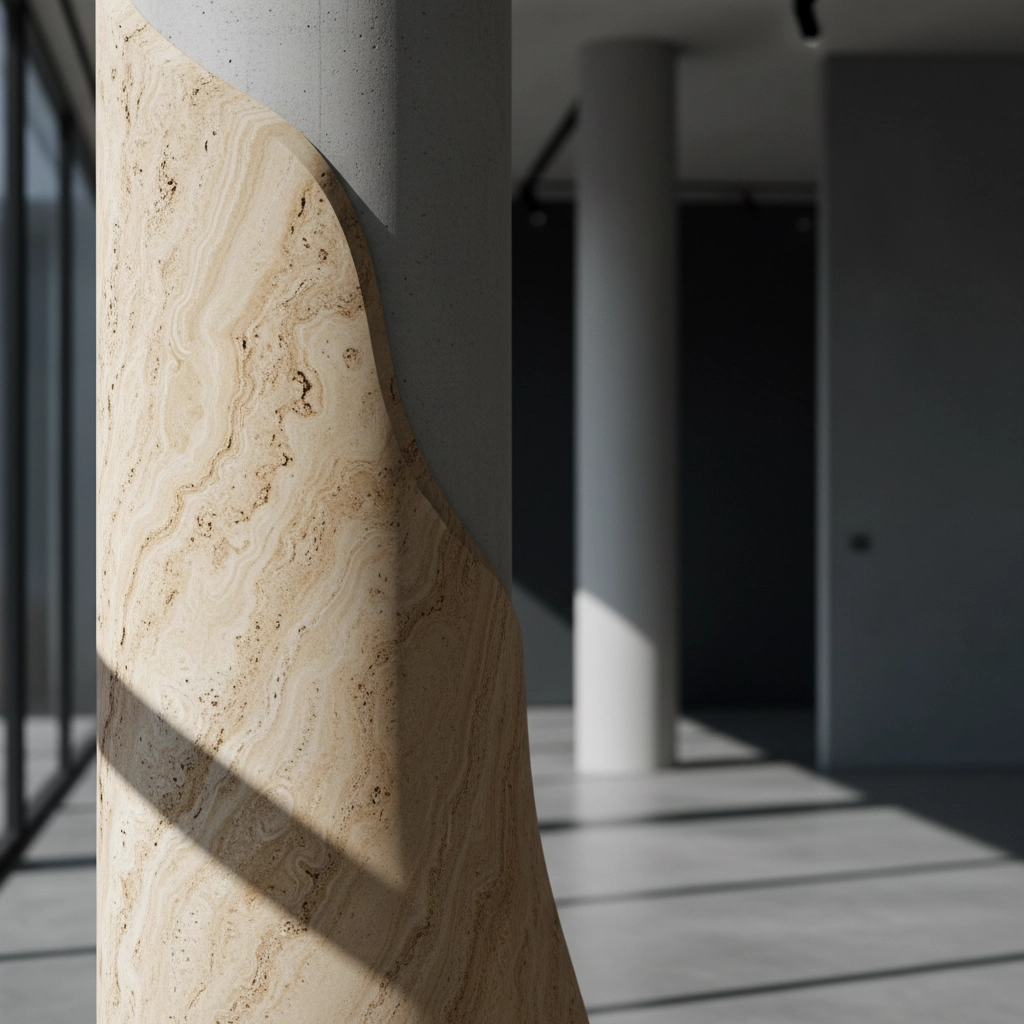
This dual performance: aesthetic excellence and fire safety compliance: eliminates the traditional choice between beauty and building code requirements. Architects can specify natural stone wall panels in corridors, stairwells, and other fire-sensitive areas without compromising their design vision or safety standards.
The fire rating also opens previously restricted applications. Hotels can extend stone surfaces through egress paths, office buildings can incorporate stone in elevator lobbies, and residential high-rises can use natural stone in common areas: all while meeting stringent fire safety requirements.
Sustainable Design Intelligence
Eco-friendly wall panels represent more than environmental responsibility: they embody intelligent resource utilization. ECO-FLEXI MCM production generates significantly less waste than traditional stone quarrying and processing. The manufacturing process optimizes natural stone utilization while reducing transportation energy through lighter weight.
But sustainability extends beyond production. The precision cutting capability of flexible stone means virtually zero installation waste. Traditional stone installations often generate 15-20% waste through cutting and fitting. Flexible panels can be cut exactly to size with simple tools, creating minimal waste and reducing project environmental impact.
The durability factor amplifies these sustainability benefits. Weather-resistant and UV-stable, these panels provide decades of service life without the maintenance requirements of some alternative materials. This longevity means fewer replacement cycles and reduced lifecycle environmental impact.
Installation Efficiency Transforms Project Economics
The economics of architectural stone panels have fundamentally shifted with flexible technology. Installation that previously required specialized stone masons and complex support systems now becomes accessible to general contractors with basic training.
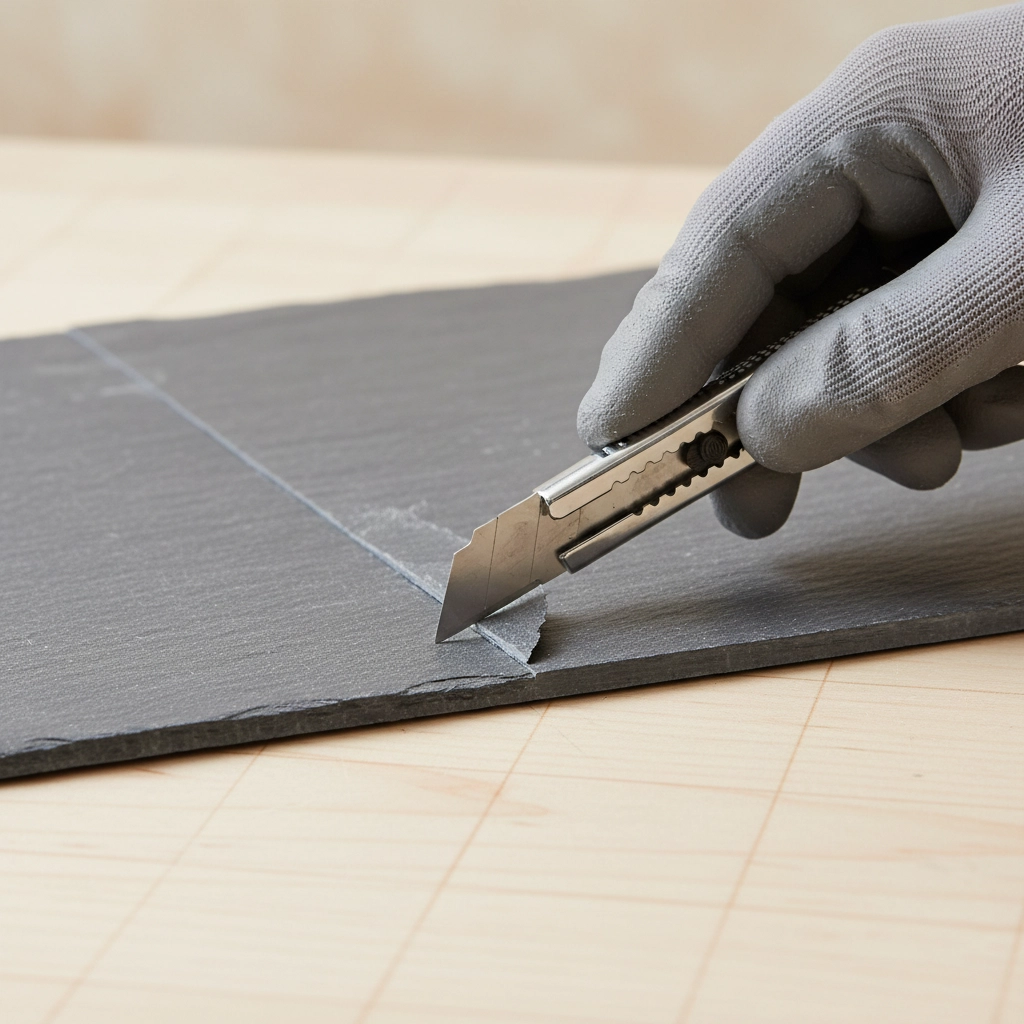
Installation directly onto drywall, plywood, concrete, or curved surfaces eliminates the structural modifications often required for traditional stone. This direct application capability reduces project complexity while accelerating timelines. What once required weeks of installation can often be completed in days.
The tool requirements similarly simplify. Standard utility knives, measuring tools, and basic adhesives replace the specialized equipment traditional stone demands. This accessibility reduces project costs while expanding the pool of qualified installers.
Texture Interplay and Visual Rhythm
Beyond practical advantages, thin stone panels offer unprecedented control over texture interplay and visual rhythm. The flexibility enables seamless transitions between surfaces, creating continuous material flows that enhance spatial cohesion.
The authentic stone surface maintains natural variation and depth while conforming to complex geometries. This creates opportunities for surface articulation that was previously impossible: stone that flows organically around corners, wraps structural elements, and creates seamless transitions between planes.
Light interaction becomes particularly compelling with curved and continuous stone surfaces. The natural texture catches and reflects light differently across varying angles, creating dynamic visual experiences that change throughout the day. This light play transforms static surfaces into active architectural elements.
Modern Stone Wall Ideas Come to Life
Contemporary modern stone wall ideas often emerge from the intersection of natural materials and technological innovation. ECO-FLEXI MCM panels enable concepts that bridge this gap: natural stone authenticity with modern application flexibility.
Consider feature walls that curve organically through spaces, creating visual anchors without structural interruption. Or exterior cladding that wraps building corners seamlessly, eliminating the joints and transitions that often compromise design continuity with traditional materials.
Indoor applications become equally transformative. Kitchen islands that flow seamlessly from countertop to vertical surfaces, bathroom walls that curve organically around fixtures, and commercial spaces where stone surfaces follow architectural rhythms rather than being constrained by material limitations.
The Future of Stone in Architecture
The architect's obsession with bendable stone panels reflects a broader shift toward material intelligence: selecting materials that enhance rather than constrain design vision. ECO-FLEXI MCM represents this philosophy in practice: authentic natural stone that adapts to creative intent rather than limiting it.
This transformation extends beyond individual projects to influence architectural education and practice. Design studios increasingly incorporate material flexibility into conceptual development, knowing that execution limitations no longer bound creative exploration.
The ripple effects appear in client relationships as well. When material constraints no longer dictate design compromises, conversations shift from "what's possible" to "what's desirable": a fundamental change in the architect-client dynamic.
Redefining Spatial Experience
Ultimately, the architectural obsession with flexible stone reflects a desire to create more emotionally resonant spaces. When materials respond fluidly to design intent, the resulting environments feel more cohesive, more intentional, and more experientially rich.
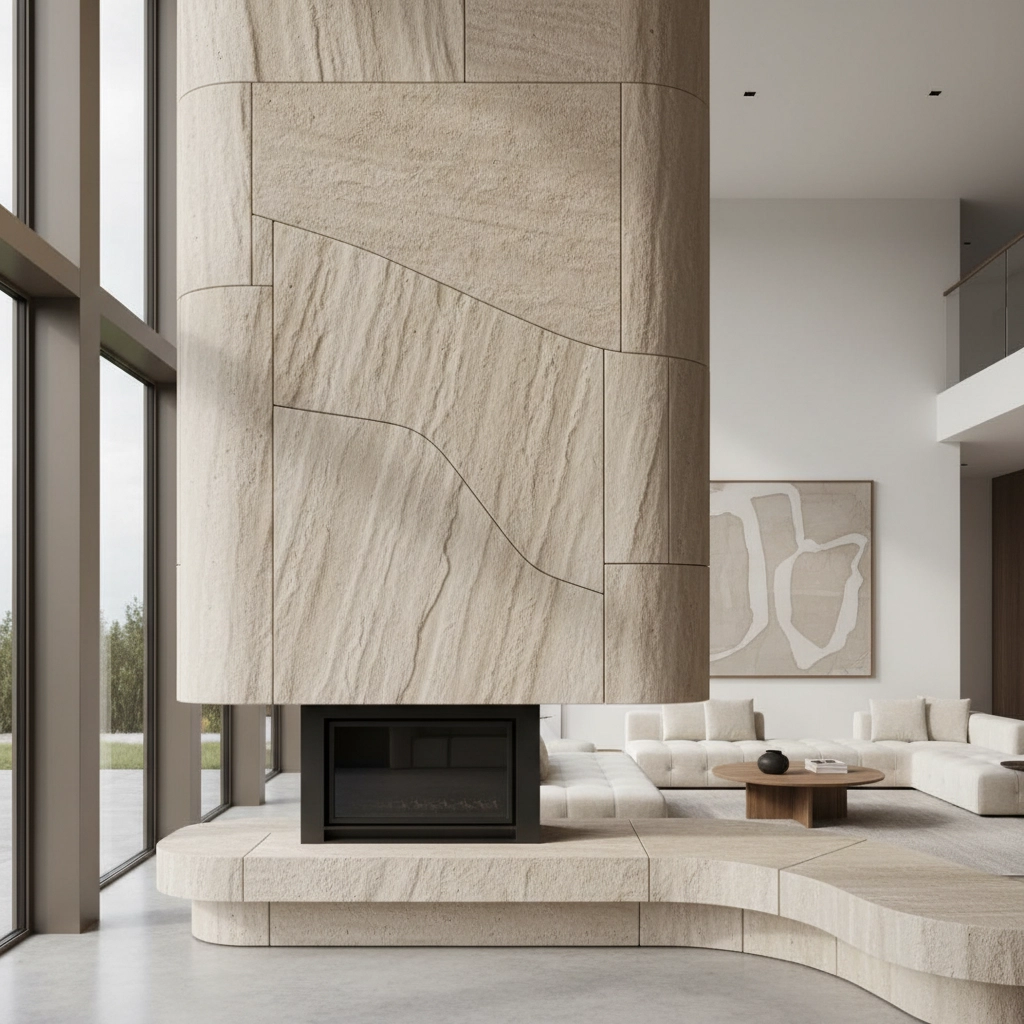
The continuous surfaces possible with flexible stone eliminate visual interruptions that can fragment spatial experience. Curved transitions feel more natural, material flows appear more organic, and the overall sensory experience becomes more unified.
This cohesion extends to maintenance and longevity as well. Fewer joints mean fewer failure points, continuous surfaces clean more easily, and the overall installation proves more durable over time.
Ready to explore how ECO-FLEXI MCM brand of Flexible Natural Stone can transform your next project? Discover our complete collection at angkop.ca or connect with our design team at info@angkop.ca to discuss your specific application requirements.
The future of stone in architecture isn't about returning to traditional applications: it's about embracing materials intelligent enough to fulfill contemporary design vision while honoring the timeless appeal of natural stone.
0 comments